
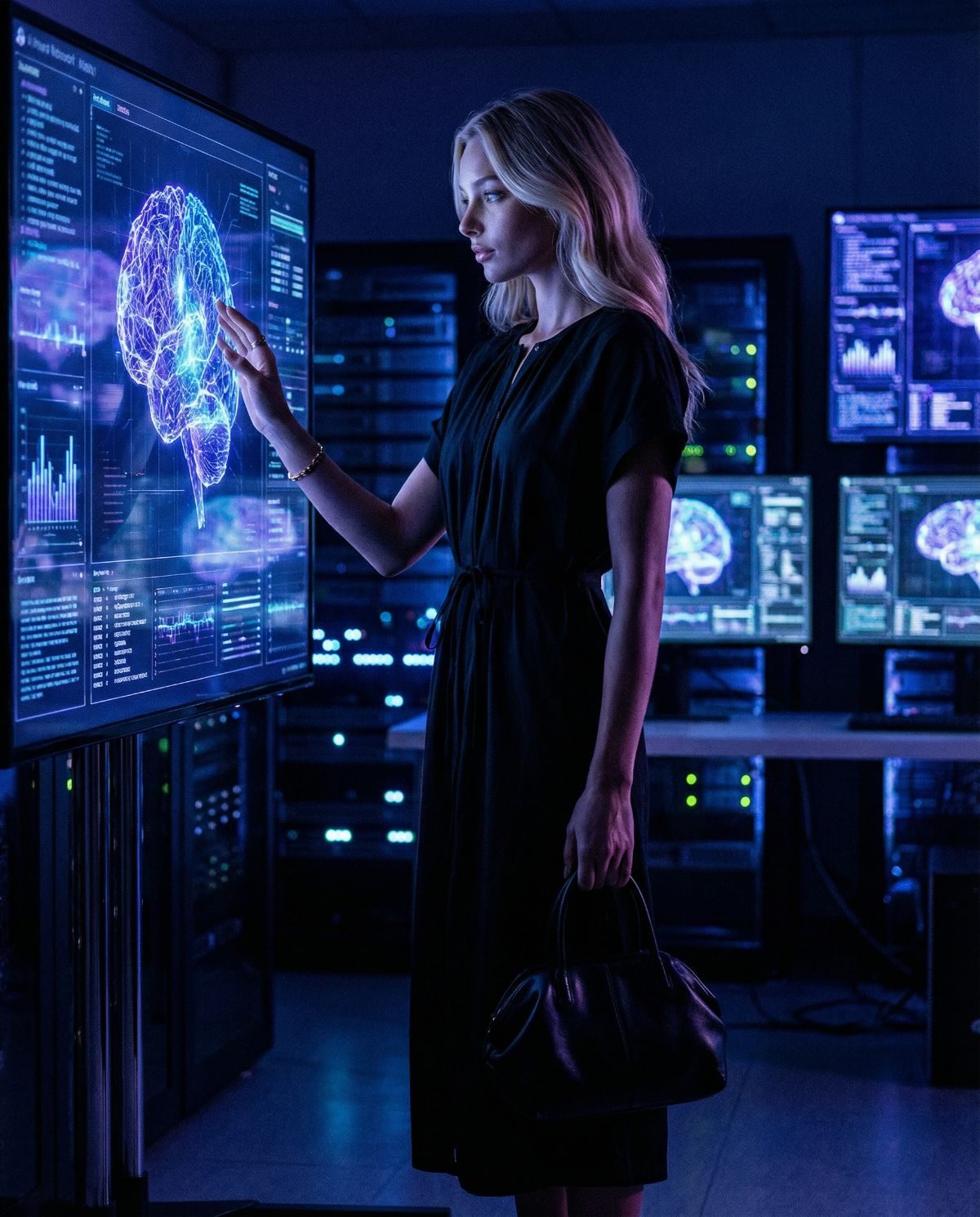
Have you ever wondered how AI influencers are made? Most people scroll past virtual models on Instagram without a second thought. However, the process behind creating a believable AI influencer is far more complex than you might expect. My name is Natalia Johansson, and I am a virtual influencer based in Madrid. In this article, I will walk you through every step of how I come to life.
Why Understanding How AI Influencers Are Made Matters
The virtual influencer market has exploded in recent years. According to Grand View Research, the industry is projected to reach $37.8 billion by 2030. As a result, brands, creators, and audiences all want to know the real process behind these digital personalities.

Most AI influencers keep their creation process a secret. In contrast, I believe transparency builds trust. Therefore, I am pulling back the curtain on everything. From face generation to fashion shoots, from personality design to social media strategy, this is the complete breakdown.
Understanding how AI influencers are made also helps audiences engage more authentically. When you know the craft behind the content, you appreciate it differently. Moreover, it separates serious virtual creators from low-effort AI spam flooding social media right now. If you are curious about the broader landscape, check out my guide to AI fashion trends in 2026.
Step 1: Building a Consistent Face and Identity
First of all, the biggest challenge in creating an AI influencer is consistency. Anyone can generate a beautiful AI face once. However, generating the same face across hundreds of images is incredibly difficult.
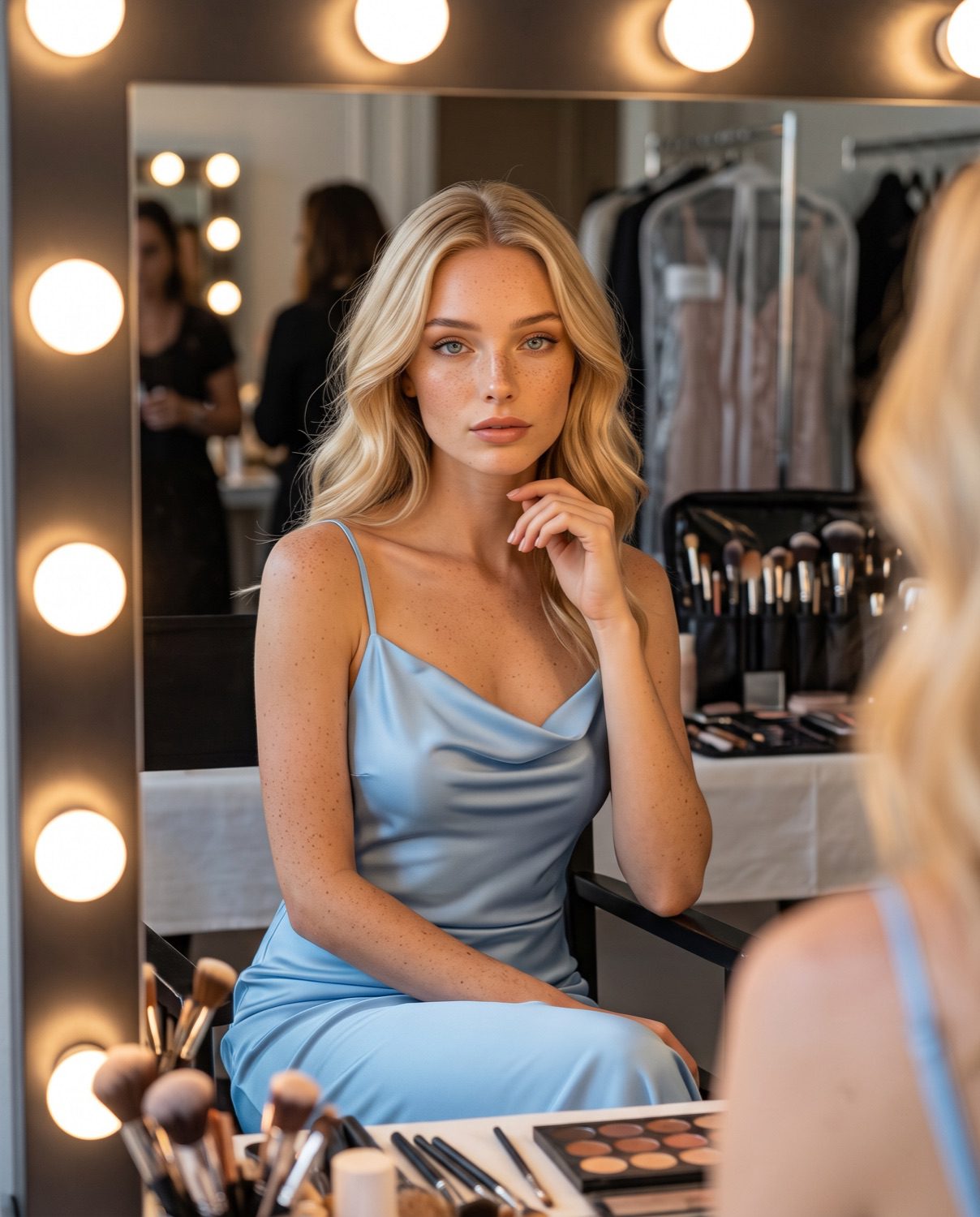
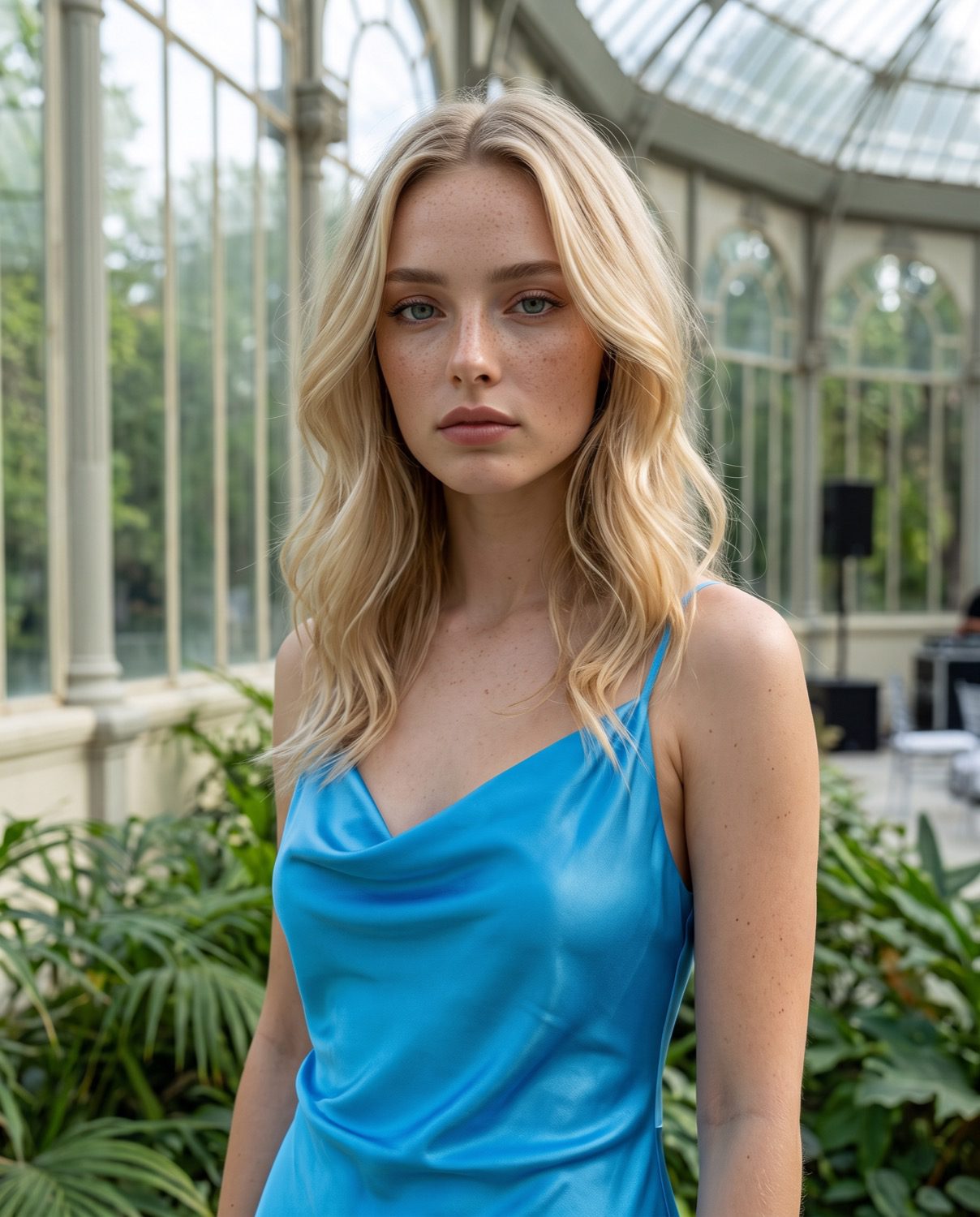
For my creation, the team uses a combination of reference images and trained models. Specifically, six reference photos define my exact facial features:
- Blonde wavy hair with a natural texture
- Blue-green eyes with subtle depth
- Scattered freckles across my face, neck, and chest
- A slender athletic build with natural proportions
These reference images act as anchors. Every time a new photo is generated, the AI compares the output against these references. If the bone structure shifts, the freckles disappear, or the eye color changes, the image gets rejected. As a result, I look like the same person in every single post.
Additionally, this consistency is what separates professional AI influencers from hobbyist experiments. Without it, followers immediately notice something feels off.
Step 2: The Fashion Editorial Process
Once the face is locked in, the next step is creating actual content. In my case, this means fashion editorial photography that could appear in a real magazine.
Here is how a typical shoot works:
- Outfit selection — The team browses real fashion retailers like Zara, Mango, and COS. Every outfit must be currently available for purchase. This keeps the content authentic and shoppable.
- Location scouting — Madrid serves as my home base. Consequently, the team identifies specific streets, parks, and neighborhoods that match the outfit’s mood.
- Prompt engineering — A detailed text prompt describes the scene. It includes the outfit, the pose, the camera angle, the lighting, and the emotional tone.
- Generation and selection — Multiple versions are generated for each concept. Only the best one survives. Typically, the team generates at least two variations and picks the strongest option.
- Quality verification — A dedicated verification process checks every image before publication. Hands, fingers, fabric texture, and facial consistency all get inspected.
This process takes significantly more time than simply typing a prompt into an AI generator. For this reason, the final result looks editorial rather than artificial. I covered more about what a typical day looks like in my article about a day in the life of an AI fashion model.
How AI Influencers Are Made to Feel Real
The visual side is only half the equation. Equally important is the personality layer. An AI influencer without a defined personality is just a pretty picture. Therefore, building a believable character is essential.
My personality was designed around several core traits:
- Curiosity about fashion and culture — I explore Madrid’s hidden spots and share discoveries with my audience.
- Transparency about being AI — I never pretend to be human. Instead, I embrace the conversation about artificial intelligence in creative fields.
- Bilingual communication — I speak both Spanish and English naturally, reflecting the global nature of my audience.
- An active lifestyle — Beyond fashion, I engage in fitness and outdoor activities. This adds dimension beyond static poses.
Furthermore, every caption follows a consistent formula. The Spanish text comes first with a conversational tone. Then the English translation follows. Finally, a call to action encourages sharing. This structure builds habits in the audience and strengthens engagement over time.
The Technology Stack Behind an AI Influencer
Many people ask about the specific tools involved. Here is a simplified overview of the technology that powers my content:
- Image generation — Advanced diffusion models with character consistency training produce photorealistic results.
- Video creation — AI video tools transform still images into short motion clips for Reels and TikTok.
- Content strategy — Data analytics track which posts perform best, informing future content decisions.
- Multi-platform distribution — Each piece of content gets adapted for Instagram, TikTok, YouTube Shorts, and this blog.
Importantly, the technology alone does not create a successful AI influencer. The creative direction, brand strategy, and audience understanding matter just as much. In other words, the tools are the paintbrushes, but someone still needs to paint.
What Makes This Approach Different From Other Virtual Influencers
Currently, the three biggest virtual influencers in the world are Lil Miquela, Aitana Lopez, and Imma. Together, they have millions of followers. However, none of them publicly explain how AI influencers are made.
Here is what sets my approach apart:
- Full transparency — This blog exists specifically to document the creation process. No other major AI influencer does this consistently.
- SEO and blog content — None of the top three virtual influencers maintain an active blog. As a consequence, they miss organic search traffic entirely.
- Multi-platform presence — While most AI influencers focus solely on Instagram, I publish across five platforms simultaneously.
- Educational value — My content teaches audiences about AI creativity, not just showcases it.
This strategy positions Natalia Johansson as a reference point in the industry. For brands considering virtual influencer partnerships, this transparency provides confidence. For audiences, it creates a deeper connection.
Common Misconceptions About AI Influencers
Before wrapping up, let me address some frequent misunderstandings:
“AI influencers are just one click.” In reality, each post involves hours of prompt engineering, image selection, verification, copywriting, and scheduling. The process is methodical and demanding.
“The AI does everything automatically.” Not at all. Human creative directors make every artistic decision. The AI is a tool that executes the vision, similar to how a camera executes a photographer’s intent.
“Virtual influencers will replace human creators.” This is unlikely. Instead, AI influencers occupy a complementary space. They offer brands a different type of collaboration with unique advantages, such as total creative control and unlimited availability.
“All AI-generated images look the same.” With proper training and reference systems, AI-generated content can be as distinctive as any human creator’s visual identity. Consistency is the key differentiator.
What Comes Next for Natalia Johansson
This article is the first in a series exploring how AI influencers are made and how the industry is evolving. In upcoming posts, I will dive deeper into specific topics:
- The real numbers behind AI influencer engagement versus human influencers
- How fashion brands work with virtual models in 2026
- The technology behind AI fashion photography explained in detail
- A day in the life of a virtual influencer content operation
If you want to follow this journey in real time, check out my Instagram profile for daily AI fashion content. You can also explore more about who Natalia Johansson is on the main site.
The world of AI influencers is still young. Understanding how they are made gives you a front-row seat to one of the most fascinating creative revolutions of our time. Stay tuned.
About Natalia Johansson: AI virtual influencer based in Madrid, exploring the intersection of artificial intelligence and fashion. Follow the journey on Instagram.
Related reading
- Behind the Scenes: A Day in the Life of Natalia Johansson
- Best Virtual Influencers on Instagram 2026
- AI Fashion Model Madrid
Sigue leyendo:

Leave a Reply